You want a night under the stars without blowing your budget, but the math is murkier than it looks. A campsite sounds cheap until you add up a tent, sleeping bags and a stove. A glamping tent sounds expensive until you remember you show up with nothing but a duffel bag. This is the core of the glamping vs camping debate, and the answer depends on more than the nightly rate.
In this guide, we break down what each option actually includes, compare typical nightly rates, and count the hidden gear costs that camping quietly adds to your first trip. We also cover when to book each one, how comfort and effort differ, and how trip length and budget should shape your choice. By the end, you’ll know exactly which option costs less for the kind of traveler you are.
What Glamping and Camping Actually Include
At first glance, both options put you outdoors for the night, but what you get for your money is very different. Understanding that gap is the first step to figuring out which one fits your budget.
What camping involves
Camping is the do-it-yourself version. You bring and set up your own shelter, whether that’s a tent or a rooftop setup, along with your sleeping system — sleeping bags, pads or air mattresses — and your cooking gear. At the campground, you typically get a pitch, access to shared facilities like restrooms and showers, maybe a fire ring and a picnic table. Everything else, from dinner to a dry bed, is on you.
What glamping involves
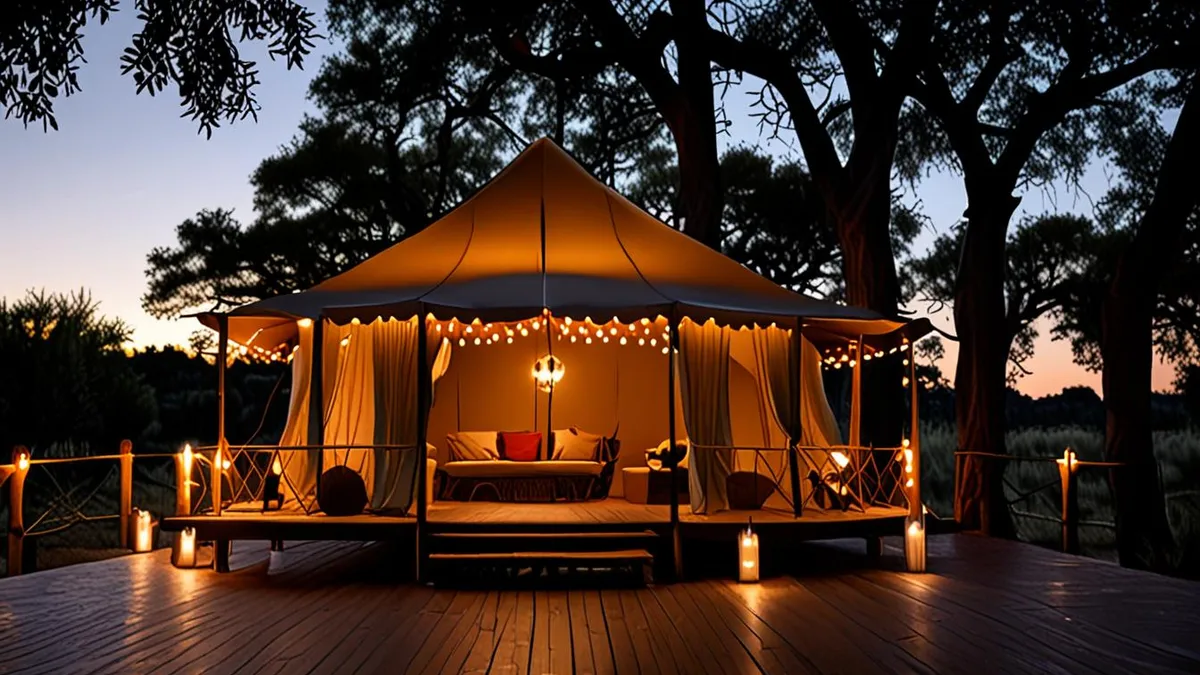
Glamping flips that equation. You arrive at a pre-built structure — a safari tent, yurt or cabin — that usually comes with a real bed and lighting already in place. Many glamping sites go further and add private bathrooms, heating and even a small kitchenette, so your “camping” night looks a lot more like a budget hotel stay with trees outside the window.
That difference in service and infrastructure is what explains most of the price difference between the two. When you pay a glamping rate, you’re paying for the structure, the furnishings, the plumbing and the cleaning between guests — things a campground simply doesn’t provide at a basic pitch.
Nightly Rates: Glamping vs Camping Side by Side
Now for the numbers. On the raw nightly rate, camping is clearly the cheaper option in most cases. A basic campground pitch in the US typically runs $15–$40 per night, while a glamping tent typically costs $100–$300+ per night depending on location, season and how upscale the site is. That means glamping can cost several times more than a simple night under canvas, even before you factor in anything else.
Over a typical weekend, that gap adds up fast. A 3-night trip ranges from about $45–$120 camping versus $300–$900+ glamping. That’s often the difference between a budget weekend and a small vacation. If you’re traveling as a couple or a family, multiply the nightly rate by the number of nights and you’ll see why the choice matters so much for a longer stay.
A few details can shift those totals in either direction:
- Midweek discounts: Staying Sunday through Thursday can cut 20–40% off rates for both campgrounds and glamping sites, since operators price weekends at a premium. If your schedule allows it, a midweek trip is one of the easiest ways to save on either option.
- Location premiums: A pitch near a national park or coastline usually sits at the top of its range, while a rural county campground often sits at the bottom. The same logic applies to glamping sites, where scenic settings command higher rates.
- What’s included: Some glamping rates bundle linens, towels and firewood, while campgrounds may charge separately for showers, firewood or extra vehicles — small fees that nudge the real total upward. Always read what a rate actually covers before comparing it to another.
Check current rates before booking, since prices vary widely by region and season. But as a rule of thumb, expect glamping to cost several times more per night than a basic campsite, and plan your budget around that gap rather than the headline rate alone.
The Hidden Cost of Camping: Gear
The nightly rate isn’t the whole story for camping. Before you sleep in that basic campsite, you need gear — and gear costs money upfront. This is the hidden line item that separates a cheap weekend from an expensive one.
What a starter setup costs
A basic starter kit — a tent, sleeping bags, sleeping pads, a camp stove and a cooler — costs roughly $200–$500 upfront. You can spend less by buying secondhand or borrowing from friends, and you can spend far more on premium equipment, but that range covers functional basics for a couple of campers. Glamping, by contrast, requires essentially no gear purchase at all.
Why gear gets cheaper every trip
The good news is that gear is reusable. Buy it once and it serves you for years, so camping gets cheaper per trip the more often you go. That gear investment effectively pays for itself after a handful of camping trips — the break-even point where camping’s total cost drops below glamping’s nightly premium.
Matching the purchase to your plans
If you’re only heading outdoors once this year, buying a full kit you’ll barely use makes no sense — glamping is the cheaper option for a one-off trip. But if camping becomes a regular habit, that same gear turns into the best value in outdoor travel. Check your calendar honestly before you buy.
When to Book Each Option
When to Book: Timing Tips for Camping and Glamping
Timing matters for both options, but for different reasons. Campgrounds in popular national and state parks often fill up fast for peak-season weekends, so you typically want to reserve summer spots anywhere from 1 to 6 months ahead. Miss that window and you may be left with first-come, first-served sites or dates far from the places you actually wanted.
Glamping has its own rhythm. Because most glamping operations only have a handful of tents, yurts or cabins, inventory is small and popular weekends sell out early. As a rule of thumb, plan on booking 2–3 months ahead to get your pick of units and dates.
Peak season in most US regions runs late May through early September, when school is out and the weather is friendliest. If your schedule allows, shoulder-season dates in May or September are much easier to book and usually cheaper for both camping and glamping. You will also share campgrounds and sites with fewer people, which many travelers consider a bonus in itself.
- Set a calendar reminder for the exact day reservations open — many popular campgrounds release sites in blocks months in advance, and the best weekend spots can go within hours.
- Shifting a trip from Friday–Sunday to Sunday–Tuesday often means noticeably lower rates for both campgrounds and glamping sites, making it one of the easiest savings moves available.
- Shoulder-season glamping often comes with extra perks, since operators may offer midweek or early-season discounts to fill tents before the main rush.
- If you want a last-minute trip, look at campgrounds with first-come, first-served loops or glamping sites midweek, when cancellations and low demand work in your favor.
Comfort, Effort and Who Each Suits
What each option asks of you
Camping is hands-on. You pitch the tent, inflate the pads, figure out the stove and accept whatever the sky decides to do. Setup, packing and weather tolerance are part of the deal — and for many travelers, that effort is exactly what makes the trip rewarding. There is real satisfaction in a camp you built yourself and a meal you cooked over a flame.
Glamping removes almost all of that work. You arrive to a pre-built structure with a real bed and lighting, and often heating, a kitchenette or a private bathroom. That makes it a natural fit for families with small kids, first-timers who are not sure outdoors trips are for them, and anyone short on time who would rather spend the weekend relaxing than unpacking gear.
Flexibility vs. anchoring
Camping gives you freedom to move. If the site next to the lake opens up or the bugs are bad where you are, you can pack up and relocate between campgrounds. Glamping anchors you to one base — your tent or cabin is booked, and moving means giving it up.
Weather tips the scale, too. Cold nights or rainy forecasts favor glamping’s solid shelter and heating, while a fair-weather summer weekend is when camping’s simplicity and low cost shine. Match the option to your comfort needs and how much setup effort you genuinely enjoy.
How to Choose Based on Trip Length and Budget
The cheapest option depends less on nightly rates and more on how often you go outdoors. If this is a one-off weekend and you own no gear, glamping can be the simpler value pick. Yes, the nightly rate is higher, but there is nothing to buy, nothing to store and nothing to test in the backyard the night before you leave. For a first trip, that convenience is often worth the premium.
If you plan three or more outdoor trips a year, the math flips quickly. The upfront cost of a starter camping setup — tent, sleeping bags, pads, stove and cooler — is covered in detail in the gear section, but the key point is this: that gear is reusable for years. Spread across multiple trips, camping’s low nightly rates start to beat glamping’s premium fast, and the savings grow with every outing.
Before comparing anything, set a total trip budget: food, fuel, fees and lodging. Then let the nightly math decide which option fits inside it, rather than falling in love with a tent you cannot afford. A clear ceiling keeps the decision honest.
- For a single special occasion — an anniversary or a milestone birthday — the glamping premium buys comfort that is hard to put a price on.
- Longer trips favor camping: the more nights you stay, the more the gear investment amortizes and the bigger the savings versus glamping’s rates.
- A mixed strategy works well for many travelers — camp on long, budget-focused trips and glamp in the shoulder season when a heated, solid shelter makes cool evenings pleasant.
- Factor gear storage into your decision: if you live in a small apartment with no garage or closet space, even a compact camping setup needs a home between trips.
- Check cancellation policies before booking either option, since flexible rebooking can be worth more than a small rate difference if weather turns.
The Bottom Line
So which one actually costs less? On raw nightly price, camping wins hands down: basic campground pitches typically run $15–$40 per night in the US, while glamping tents typically start around $100–$300+ per night. But the honest answer depends on what you already own. If you have gear, camping is clearly cheaper. If you don’t, a starter setup costs roughly $200–$500 upfront, which can wipe out the savings on a single trip.
Glamping wins on convenience — a real bed, solid shelter and zero gear to buy or pack. Camping wins on price once the gear is paid for, and it rewards you more the more often you go. In short: pick camping if you’ll be outdoors regularly, pick glamping if you want one easy, comfortable night under canvas without any shopping list. If this helped you sort out the math, leave a comment or share the article with a friend who’s planning a night outdoors.