Glamping looks expensive at first glance, but the same dome or safari tent can cost half as much if you simply pick the right weeks to travel. Finding the cheapest times to go glamping is less about luck and more about understanding how rates move through the year. In most regions, peak season runs June through August, when nightly rates run 30-50% higher than the rest of the year.
The good news? You can often save 20-40% per night just by shifting your trip to May or September-October, and weekday nights typically cost 15-30% less than Friday and Saturday. In this guide, we’ll break down why glamping prices swing so much by season, why shoulder seasons and winter offer the deepest discounts, how much weekdays matter, when to book, and how to spot genuine off-season deals—plus a simple plan for putting it all together on a budget.
Why Glamping Prices Swing So Much by Season
Glamping sites price their units much more like boutique hotels than like campgrounds. There’s no fixed nightly rate posted at the gate; instead, prices move with demand, which means the same safari tent can vary 30-50% between June and October. If you’ve ever wondered why your friend paid $150 a night for a dome you saw listed at $250, the calendar is usually the answer.
Why summer costs the most
Peak season runs June through August at most sites, and it’s easy to see why. School holidays mean families can travel, the weather is at its most reliable, and demand from first-time glampers is at its highest. Owners know they can fill every unit at top rates during these weeks, so there’s little incentive to discount. Popular sites in scenic areas can sell out their summer weekends months in advance.
Why the off-season gets cheaper
The flip side is that domes and cabins still cost money to maintain even when they sit empty. Platforms need upkeep, linens need washing, and staff still need paying through the quiet months. Rather than let a unit earn nothing, most owners would rather cut rates and attract flexible travelers. That’s exactly where the savings come from: the discounts aren’t charity, they’re a response to empty calendars. Your job as a budget traveler is simply to show up when the calendar is quietest.
Shoulder Seasons: The Sweet Spot for Cheap Glamping
If you want the best mix of low prices and good weather, aim for the shoulder seasons. May and September-October typically run 20-40% cheaper per night than peak summer, while conditions stay pleasant at most destinations. The kids are back in school (or not yet out), demand drops, and owners start adjusting their rates to keep units occupied.
Why September is often the best value month
September deserves special attention. In many regions it offers warm days, cooler nights for comfortable sleeping, fewer crowds at nearby trails and attractions, and noticeably lower rates. You get much of the summer experience without the summer price tag or the summer traffic. If your dates are flexible, this is usually the single best value month on the glamping calendar.
May works on the same logic from the other direction: landscapes are green, spring weather is arriving, and rates haven’t yet climbed to their summer peaks. Depending on the region, you may trade a bit of warmth for the savings, so check typical conditions for your destination before booking.
Easier availability is a hidden bonus
Shoulder season doesn’t just save money, it also saves stress. With fewer travelers competing for units, you can often book on shorter lead times without paying a premium. Spontaneous weekend trips become realistic, and you’re more likely to snag that popular treehouse or cliffside tent that’s booked solid all summer. If you’ve ever been frustrated by “sold out” banners in July, the shoulder months will feel refreshingly open.
Winter Glamping: The Deepest Discounts (With Trade-Offs)
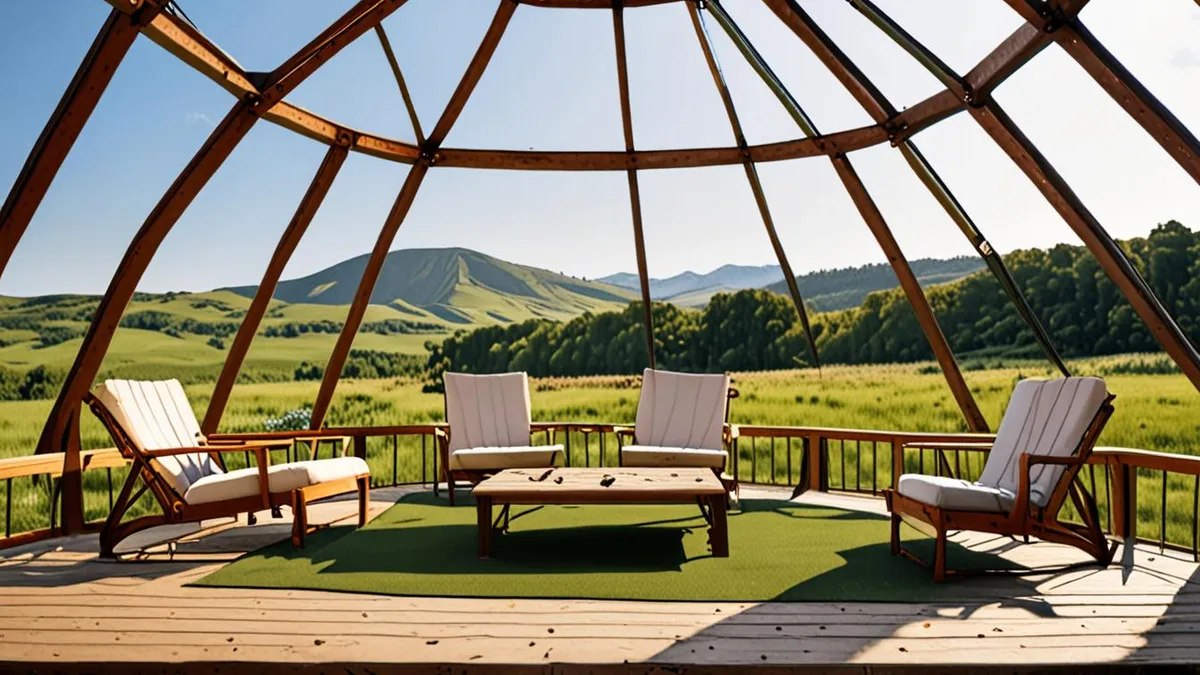
If maximum savings are the goal, winter is hard to beat. In mild-winter regions, rates from November through February can drop 40-60% compared to peak season, which is the biggest savings window of the entire year. The same dome that commands top dollar in July might cost a fraction of that on a January weeknight. For travelers who don’t mind bundling up, this is where glamping becomes genuinely affordable.
The savings come with trade-offs, though, and it’s better to know them upfront. Days are shorter, so you’ll spend more evenings inside your unit than around a picnic table. Nights are colder, and some sites close entirely between roughly November and March, especially in regions with harsh winters or frozen water lines. Always confirm a site is actually open for your dates before falling in love with a listing.
What to look for in a winter-friendly site
Not all winter glamping is created equal. Some units are built for cold weather, while others are fair-weather structures with a heater bolted on. Before booking, check the listing details and message the host with specific questions. Useful things to look for include:
- Insulated domes or units — proper insulation and a covered entryway keep the heat in and condensation down, which makes a huge difference on a frosty night.
- A wood stove — nothing transforms a canvas tent in winter like a real stove; ask whether firewood is included or sold on-site, since that affects your budget.
- Heated cabins — solid-wall cabins with proper heating are the safest cold-weather choice if you’re new to winter glamping or traveling with kids.
- Winterized bathrooms and water — in cold climates, some sites shut off outdoor showers and taps in winter, so confirm which facilities stay open.
- Indoor activities nearby — with limited daylight, having hot springs, a cozy tavern or a small town a short drive away makes evenings far more enjoyable.
Get these details right and winter glamping delivers a quiet, cozy experience at the lowest prices you’ll find all year.
Weekdays vs Weekends: How Much the Day of the Week Matters
If you can only swing one glamping trip, the day of the week you pick matters almost as much as the month. At the same site, the same tent or cabin, Monday through Thursday nights typically run 15-30% cheaper than Friday and Saturday. That is a real discount on identical accommodation, no compromise on weather or season required.
The reason is simple: most glamping guests are weekenders. Owners know Friday and Saturday nights will fill up no matter what, so they price them accordingly. Midweek, they are often happy to take a lower rate just to have someone in the unit.
Minimum-stay rules add another layer. Many popular sites require two or three nights on weekends, but drop that requirement midweek. That means you can often book a single Tuesday night on short notice, something a Saturday booking would never allow.
The math gets interesting when you stretch a trip. A Sunday-through-Thursday stay of four nights can cost about the same as a two-night weekend booking, effectively giving you two extra nights for free. If you work remotely or have flexible time off, arriving Sunday afternoon and leaving Thursday morning is one of the easiest ways to cut your per-night cost without touching the calendar month at all.
- Check whether the site prices each night separately: some calendars show a blended rate for multi-night stays, so a Friday-Saturday booking may average out cheaper than the headline weekend rate suggests.
- Ask about check-in and check-out days. A few sites rotate their weekend surcharge to Friday-Saturday only, which makes a Sunday arrival the cheapest possible starting point.
- If you can only do one weekend night, a Sunday night is usually the better deal than Friday, since it often falls outside the surcharge window and sites are eager to fill it.
- Midweek single nights are also the easiest to grab as last-minute deals, because owners would rather discount an empty Tuesday than a Saturday that will sell anyway.
Booking Timing: When to Reserve for the Lowest Rate
Glamping sites rarely discount their best units far in advance, so timing your reservation matters almost as much as picking the right month. Book too late in shoulder season and the cheap domes and cabins are gone; book too early in low season and you might miss a deal. Here’s a simple way to approach it.
- Reserve 2-4 months ahead for shoulder season trips. May and September-October are popular with savvy travelers, and the best-value units at well-reviewed sites tend to fill first. Booking within this window locks in standard rates and gives you real choice over dates and unit types.
- Wait it out for low-season stays. In quiet months, owners hate seeing empty tents and cabins, so last-minute discounts of 10-25% often appear 1-2 weeks before arrival. If your dates are flexible and you don’t need a specific unit, watching the calendar in the final stretch can pay off.
- Check cancellation terms before gambling on a last-minute rate. If a deal doesn’t materialize, you want to know whether you can still book a few days out without penalty, or whether the site requires longer notice.
- Skip holiday weeks entirely. Christmas-New Year, spring break and Labor Day price like peak season no matter which month they fall in, and minimum-stay rules tighten too. Shifting your trip by even a few days can change the rate significantly.
The good news is that you don’t have to guess. Most booking platforms show a calendar view of nightly prices, so you can compare rates across several months before committing. Combine smart timing with flexible dates, and you’ll usually land a better rate than someone who booked the same unit on autopilot.
How to Spot Genuine Off-Season Glamping Deals
Finding a genuinely cheap glamping rate takes a little detective work, because not every “deal” is as good as it looks. The most reliable method is to open the booking calendar for the exact unit you want—a specific safari tent, dome or cabin—and flip through several months side by side. Seeing what the same tent costs in July versus October tells you the real seasonal gap at that site, which can differ a lot from the averages you read about online.
It also pays to get on the operator’s radar before you book. Many small glamping sites don’t advertise their quiet-season promotions on booking platforms, where commission fees eat into already thin margins. Instead, they announce flash sales and off-season packages directly to their own audience, so being on the email list or following their social accounts can mean hearing about a discount days before it reaches the general public.
Finally, read the fine print on any discounted rate. A low nightly price can shrink in value fast if the extras that made the stay special are suddenly charged separately. Before you commit, check what the deal rate actually includes:
- Firewood and heating: In cooler months, some sites charge per bundle of firewood or per night for stove use, which adds up quickly on a multi-night trip.
- Hot tub or sauna access: A private soak is often the reason to book off-season, but at some properties it’s an add-on with a per-stay or per-hour fee rather than part of the rate.
- Breakfast and meal kits: Rates that included a breakfast basket or welcome hamper in summer sometimes drop it in the discounted version, so compare what’s in the basket, not just the price.
- Bedding and towels: A few budget-friendly sites offer a cheaper “bring your own linen” rate—fine if you’re driving, less practical if you’re flying in.
Do this quick audit before paying, and you’ll know whether a deal is a real bargain or just a stripped-down version of the regular stay.
Planning Your Budget Glamping Trip
Glamping doesn’t have to cost a fortune. The same dome or safari tent that commands peak-season prices in July can cost half as much if you shift your dates to September, May or the winter months in milder regions. Add weekday nights instead of weekends, and the savings stack up fast.
The formula is simple: pick shoulder or low season, aim for Monday-Thursday nights, and book two to four months ahead for standard rates or watch for last-minute low-season deals. Just as important, steer clear of holiday weeks, which price like peak season no matter when they fall. Do that, and the trip that looked out of reach suddenly fits your budget. Got a favorite money-saving glamping trick of your own? Share it in the comments or pass this article along to a friend.