You have a fixed nightly budget, and the choice between a lodge and a hotel looks simple on paper. A $90 hotel room seems cheaper than a $220 lodge, so the hotel wins, right? Not always. The lodge vs hotel question only gets answered properly once you add up everything you actually spend in a day, not just the room rate.
This guide breaks down the real numbers: what you pay per night, the hidden costs that quietly inflate your bill, how much space and comfort you get for your money, and the location trade-offs between wilderness and city. We also cover when to book each type for the best rate, then give you a simple decision framework and a bottom-line verdict on which option leaves more money in your pocket by the end of your trip.
What You Actually Pay: Lodge vs Hotel Nightly Rates
The sticker price is where most travelers stop comparing, and that is exactly where the mistake happens. Safari lodges typically run $150-400 per night, but that rate usually bundles meals, guided activities and sometimes airport transfers into one number. Mid-range hotels average $60-150 per night, and that figure covers the room and little else.
Why the nightly rate alone misleads you
Imagine a day at each. At the hotel, you pay your nightly rate, then add breakfast, lunch, dinner and any activities you book separately. At the lodge, the headline number already includes three meals and often a game drive or guided walk. Once you spread meals and activities across the day, the gap between the two options narrows fast, and sometimes reverses entirely.
That is why the honest comparison is a per-day all-in cost, not a nightly rate. A $200 lodge can cost less per day than a $100 hotel once food and activities are added, because the lodge price already absorbed those expenses. Before you book either one, list everything you would pay for in a typical day at each, then compare those totals. The cheaper room rate is not always the cheaper trip.
Hidden Costs That Flip the Lodge vs Hotel Math
Food is the biggest hidden swing in this comparison. Hotels charge meals separately, and budget travelers eating out typically spend $25-50 per day on breakfasts, lunches and dinners. Lodges usually include three meals daily, which represents roughly $30-60 of food value per person. That alone can erase a large chunk of the lodge’s higher nightly rate, so run the numbers on a full-day basis rather than comparing room rates alone. If you plan to eat one or two meals outside your hotel anyway, the gap narrows; if you would eat all three on-site, the lodge’s inclusive pricing starts to look very attractive.
Transfers work the other way. Remote lodges often sit 30-120 minutes from the nearest town or airport, and getting there costs money, whether you book the lodge’s own transfer or hire a driver. Some lodges include airport pickups in the rate, so ask before arranging your own. A hotel in town lets you walk to restaurants and transport, which cuts extra spending to almost nothing on arrival days.
- Drinks and snacks: Lodge rates usually cover meals but not always soft drinks, beer or bottled water, so ask what the meal plan includes before assuming everything is covered. A minibar or bar tab can add up over a multi-night stay.
- Late arrivals: If your flight lands near a remote lodge after dark, you may pay for an extra night or a long transfer you had not budgeted for, while a city hotel absorbs late arrivals without extra cost.
- Tipping and activity extras: Some lodges quote a base rate and add guided walks, boat trips or park fees on top, so request a full cost breakdown in writing before you commit. Park and conservation fees change regularly, so confirm the current rate directly with the lodge or park authority.
Space, Comfort and What You Get for the Money
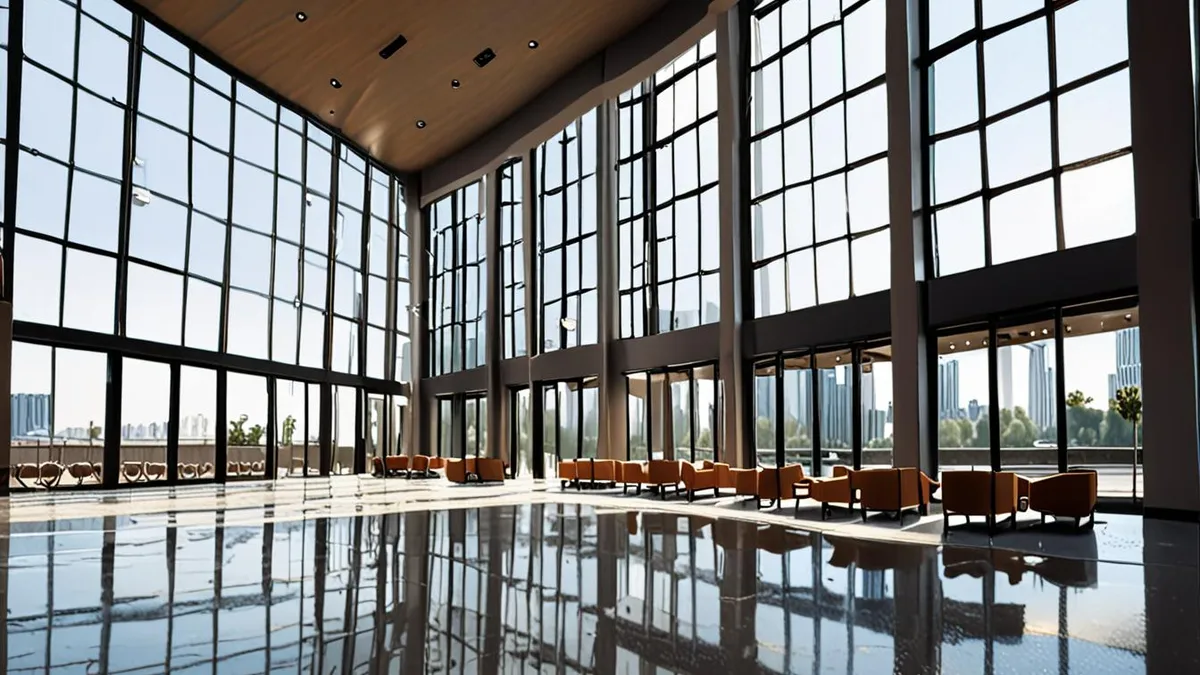
Space is where lodges quietly win. Hotel rooms average 25-35 square meters, while lodge rooms and cabins often span 40-60 square meters. That means you may get roughly double the floor area at a lodge, often with a private veranda, outdoor seating or a view of the landscape instead of a parking lot.
Shared spaces change the value equation
Lodges typically include communal lounges, fire pits and verandas at no extra charge. These shared areas effectively extend your living space beyond the room itself, and they are where many travelers spend their evenings swapping stories with other guests. At a hotel, comparable spaces either do not exist or come with a bar tab.
That said, hotels offer amenities lodges lack: gyms, business centers and, most importantly, a reliable walkable location near restaurants, shops and transport. If you need to work, exercise or move around a city on foot, the hotel earns its keep.
The deciding factor is simple: how much time do you actually spend in your room? If you are out on activities from dawn to dusk, extra square meters matter less and bundled meals matter more. If you are settling in for a work trip or a short city stop, a well-located hotel room may deliver better value per dollar.
Location Trade-Offs: Wilderness vs City Convenience
The biggest difference between lodges and hotels isn’t the room—it’s where the room sits. Lodges are typically built inside or right next to parks and reserves, which means you can start your game drives or nature walks from your doorstep. That proximity saves you the daily park-entry shuttles and early-morning commutes that hotel-based visitors often face.
Hotels, on the other hand, keep you plugged into everyday life. You can walk to supermarkets, ATMs and cheap local eateries, which makes it easier to control spending and handle practical tasks like topping up a SIM card or booking onward transport without a middleman.
Factor in the transfer time
Remote lodges come with a catch: getting there. Most sit well outside town, often down long dirt roads, so reaching one can swallow a good chunk of a travel day each way. On a short trip, that’s real sightseeing time lost on the road, and it may also mean paying for a transfer you hadn’t budgeted for. Ask the lodge exactly how long the journey takes and whether it’s included in the rate before you commit.
The practical answer is to choose location based on your itinerary, not just the room price. If your days revolve around wildlife and trails, a lodge’s location is doing valuable work for you. If you’re sightseeing in town or catching an early bus, a central hotel will likely serve you better.
When to Book: Timing Each Stay Type for the Best Rate
Lodges and hotels reward different booking styles, and understanding that difference can save you real money. Because lodges have far fewer rooms and depend heavily on seasonal demand, they respond strongly to advance planning. A small lodge with ten cabins either fills up or doesn’t, so managers use early-bird pricing to secure bookings early. Hotels in cities, by contrast, usually have enough inventory that last-minute deals are common and prices stay fairly stable night to night.
As a rule of thumb, book lodges 2-3 months ahead to lock in low-season rates, while hotels can be booked 1-2 weeks out with little price penalty. Low season matters especially in places like East Africa, where the April-May rains can cut lodge rates by 20-40%—a substantial saving if your dates are flexible. You trade some wildlife-viewing conditions and greener, muddier roads, but the lodges are quieter and staff often have more time for guests. If you can shift a trip by a few weeks to dodge peak season, the savings on a lodge can fund an extra night or an extra activity elsewhere on your itinerary.
- Ask lodges about single-supplement policies. Some waive or reduce them in low season, which matters if you’re traveling solo and comparing per-person costs.
- Check whether quoted lodge rates include transfers. Some operators bundle airport pickups into the rate if you book far enough in advance; others add them at checkout.
- Watch local events when booking hotels late. A city hotel booked 1-2 weeks out can still spike in price during a festival, conference or public holiday week, so scan the local calendar before assuming last minute means cheap.
- Shift hotel stays to midweek where you can. Weeknight rates are usually lower than weekends in cities, since rooms fill with leisure travelers from Friday onward.
A Simple Decision Framework for Your Budget
Once you understand how rates, meals and locations differ, choosing between a lodge and a hotel becomes a straightforward exercise. The key is to stop comparing nightly prices and start comparing the full cost of your stay. Two stays with very different headline prices can end up costing nearly the same once you add in everything you would otherwise pay for separately. Here’s a simple process to work through before you book anything.
- Define the purpose of your trip. If your days will center on nature, wildlife and guided activities, and you plan to stay 2 or more nights in one place, a lodge is usually the better fit because meals and activities are bundled in.
- Match the stay type to your movement pattern. If you’re moving between cities or staying somewhere for fewer than 2 nights, a hotel makes more sense—transfers to a remote lodge would eat up your limited time.
- Calculate the total cost per day. Add meals, activities, transfers and any park or entry fees to each option’s nightly rate, then divide by the number of days. This is the number that actually tells you which stay is cheaper.
- Shortlist and price the full stay. Pick two lodges and two hotels that suit your route, and price each one as a complete package—every meal, every transfer—so you’re comparing like with like.
- Check what each option leaves out. Read the fine print on meals, drinks, laundry, Wi-Fi and guided activities. A stay that looks all-inclusive may still charge for items you assumed were covered, so list them before you compare.
Running this exercise takes an hour or two with a spreadsheet or even a notebook, and it often reveals surprises: a lodge that looked expensive on paper can come out ahead once food and activities are counted, while a cheap city hotel with paid extras can quietly become the pricier choice. Write down your totals side by side, and the better-value option usually becomes obvious within minutes. If the numbers are close, let your itinerary decide—choose the stay type that puts you where you actually want to spend your days.
The Bottom Line on Value
So which one leaves more money in your pocket? If your trip centers on nature and you are staying two nights or longer, a lodge usually wins on bundled value. Meals, activities and setting are rolled into one rate, so the true per-day cost often beats a cheaper hotel room once you add everything up. If you are hopping between cities or staying just a night or two, a hotel gives you the flexibility and low commitment you need.
The real lesson is simple: judge by total per-day cost, not the headline nightly rate. A $150-400 lodge and a $60-150 hotel can both be the better deal depending on your itinerary. Do the math for your own trip before you book, and you will rarely overpay. If this helped you plan your next trip, share it or drop a comment below.