You’ve probably seen it a hundred times: two hotels in the same city, a few blocks apart, and the one labeled “boutique hotel” costs 30-80% more than the standard option down the street. Sometimes that premium buys you something genuinely special. Sometimes it buys you nothing but a trendy logo and a smaller room. The word “boutique” appears on so many listings now that it has started to lose meaning, and it’s hard to know when you’re paying for real value and when you’re paying for marketing.
This guide breaks down what a boutique hotel actually is, what that extra money covers, and when the upgrade makes sense for your trip. We’ll also cover when a standard hotel or hostel is the smarter pick, how to spot properties that use “boutique” as a buzzword, and practical ways to pay less when you do want the charm. By the end, you’ll be able to judge that price gap with confidence instead of guesswork.
What Is a Boutique Hotel, Exactly?
A boutique hotel is an independently styled property with roughly 10-100 rooms, though most have fewer than 50. What defines it is less the size and more the approach: a personal, design-led operation where the owner or a small team makes deliberate choices about everything from the furniture to the breakfast menu. No two boutique hotels look alike, because each one reflects a specific vision rather than a brand manual.
The key traits show up quickly once you check in. Rooms have individual decor instead of identical layouts, so no two feel quite the same. There’s usually a strong local or design theme running through the property, whether that’s the city’s history, a particular art style, or the building’s own past. And the staff tend to know guests by name, remember your coffee order, and give recommendations that feel like they come from a friend rather than a script.
How It Differs From a Chain Hotel
A chain hotel gives you predictability: standardized rooms you could find in any city, plus loyalty programs that reward repeat stays. A boutique hotel trades that predictability for character. You won’t earn points, but you’ll get a room and an experience you can’t find anywhere else.
How It Differs From a B&B
Boutique hotels are often confused with bed and breakfasts, but there are clear differences. In a B&B, the owner typically lives on site and service is home-style. In a boutique hotel, no owner lives on the property, and you get full hotel service: a front desk, daily housekeeping, a bar or restaurant, and professional staffing throughout the day.
What You’re Actually Paying Extra For
The premium you pay for a boutique hotel isn’t random. It covers four things that budget chains simply don’t offer, and understanding them helps you decide whether those things matter for your specific trip.
The most tangible difference is space. Typical boutique rooms run 25-40 m², versus 15-20 m² in budget chain rooms. That means room to unpack a suitcase properly, sit somewhere other than the bed, and not trip over your partner in the morning. The second difference is design and atmosphere: custom furnishings, local art on the walls, and curated common areas you’ll actually want to linger in rather than pass through on the way to the elevator.
Service is the third pillar. Smaller properties run smaller staff-to-guest ratios, which translates into personalized recommendations and flexible check-in when your flight lands early or your plans shift.
- Included breakfast: Many boutiques serve a cooked or locally sourced breakfast rather than a packaged pastry buffet, which can easily replace a $10-15 café stop each morning.
- Welcome drinks: A complimentary drink at check-in or an evening wine hour adds a small but real saving, especially on a two-person trip where it replaces an $8-12 bar order.
- Curated local tips: Staff maps and personal recommendations often steer you to neighborhood restaurants and free or low-cost experiences you’d otherwise spend time (and money) discovering by trial and error.
Added up, these included extras often deliver roughly $15-30 of daily value per person. On a four-night stay for two, that can offset a meaningful slice of the price gap.
When a Boutique Hotel Is Worth the Price
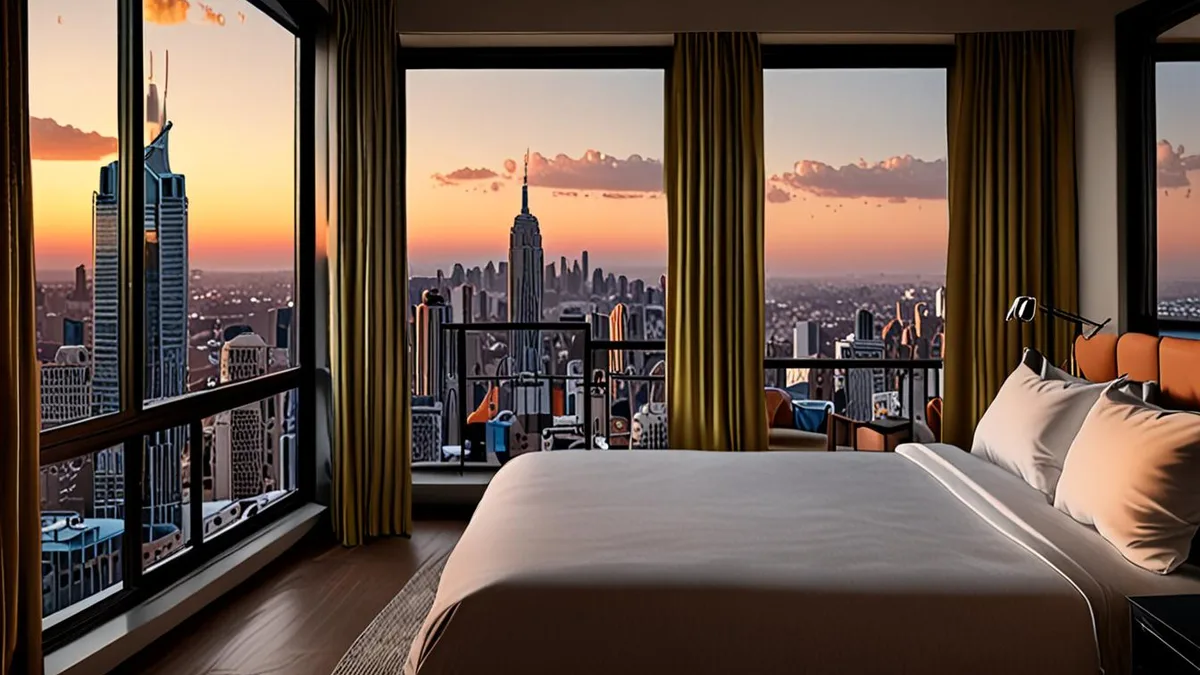
A boutique hotel pays off when you’ll actually experience what you’re paying for. The clearest case is a trip of 3-5 nights where you’ll use the room and the lobby, not just crash there between outings. On a longer stay, the extra space and atmosphere compound: a bigger room matters more on night four than on night one, and a lobby worth sitting in becomes part of your routine.
Trip type matters too. City breaks, anniversaries, and milestone trips are exactly the occasions where atmosphere is part of the experience. If the hotel itself is meant to be memorable, a standardized room works against the whole point of the trip. The included extras that many boutiques offer, such as breakfast and welcome drinks, tend to be used properly on these longer stays rather than rushed through or skipped entirely.
Timing can flip the math entirely. In Europe, shoulder season stays in April-May or September-October often come with rates 20-40% below the July-August peaks. That can shrink the boutique premium to almost nothing, or erase it.
- Shoulder season weather bonus: April-May and September-October in much of Europe bring milder walking weather and shorter lines at major sights, so you get the savings without sacrificing the experience.
- Price convergence destinations: In some cities, boutique and mid-range chain prices converge, especially outside peak weeks, making the upgrade nearly free. Compare a specific boutique against a specific mid-range chain in the same area before assuming there’s a gap.
- Milestone math: For an anniversary or big birthday, the included perks plus the atmosphere often justify the premium more easily than on an ordinary trip, because the whole stay is built around the experience.
The pattern to remember: the longer you stay and the more the setting matters, the more sense a boutique makes. One night in a design hotel rarely justifies itself; five nights in the right one often does.
When a Standard Hotel or Hostel Is the Smarter Choice
Boutique hotels earn their premium through atmosphere, service and space — and there are plenty of trips where you simply won’t be around to enjoy any of that. If your itinerary has you checking in late and leaving before breakfast, you’re paying that 30-80% markup for a lobby bar you’ll never sit in and a design theme you’ll only see with the lights off. In those cases, a clean, standard chain room or even a hostel private room does the same job for a fraction of the price.
The same logic applies to trips where the destination itself is the star. If you’re booking a beach vacation, a hiking route or a diving trip, you’ll likely spend your waking hours outside the hotel. A comfortable, well-located standard room to shower and sleep in is all you need, and the money you save can go toward excursions or an extra night.
Before you book, run your trip through this quick checklist:
- One-night layovers and early departures: If you land at 11 p.m. and leave for the airport at 6 a.m., prioritize a property near the airport or station with reliable 24-hour check-in over a charming boutique across town.
- Beach and outdoor-focused trips: When your days are spent on the sand, on trails or on the water, choose practical lodging near the action — and check whether the hotel offers secure storage for gear like boards, bikes or boots, which small boutiques often lack.
- Family trips needing connecting rooms: With roughly 10-100 rooms, and most under 50, boutiques rarely have the inventory to offer connecting rooms or family suites; larger chains can usually guarantee them, so confirm availability before booking rather than hoping.
- Stays longer than a week: Chain loyalty points, elite-night credits and kitchenettes or laundry facilities add up fast on long stays, often outweighing boutique charm — look for extended-stay brands or apartment-style rooms instead.
None of this means boutique hotels are overrated — just that they’re a tool for the right job. Match the property type to how you’ll actually spend your trip, and you’ll never wonder whether you overpaid for a hotel you barely used.
How to Spot a Real Boutique Hotel (and Avoid ‘Boutique-Washing’)
As boutique hotels have grown popular, plenty of large chains have started slapping the word on their marketing materials. The result is “boutique-washing”: big, standardized properties dressed up with a few designer lamps and a trendy lobby sign. Because a genuine boutique often costs 30-80% more than a comparable chain room in the same city, getting fooled means paying a serious premium for a generic stay. The good news is that a few simple checks will tell you within minutes whether a listing is the real thing, and none of them require anything more than the booking page, a map app and ten minutes of reading.
- Check the room count first. Genuine boutique hotels typically have 10-100 rooms, and most have fewer than 50. A listing advertising itself as boutique with 200 or more rooms is a chain in disguise, whatever the photos suggest. Room counts are usually listed in the property details, but if they aren’t, count the floors and windows in photos or email the hotel directly and ask.
- Read recent reviews for the right words. Real boutiques get described as “personal”, “quirky” or “memorable”. If the most recent reviews only say “clean” and “modern”, you’re probably looking at a standardized property with good housekeeping, not one with character. Sort reviews by newest rather than highest rated, since older glowing reviews may describe a different management or even a different style of property than the one operating today.
- Study photos of the common areas, not just the rooms. Authentic boutiques invest heavily in lobbies, bars, terraces and libraries because guests are meant to linger there. If every photo is a bedroom and the “lobby” shot looks like a corridor, that tells you something. Also look for local art, odd furniture choices and themed details, the kind of things chains avoid because they don’t appeal to everyone.
- Verify the location on a map. Many true boutiques trade space for character and sit in less central, more residential neighborhoods. Check the actual walking distance or transit time to the sights you care about before booking, rather than trusting the listing’s own description. Drop the address into a map app yourself and time the route at the hour you’ll actually be traveling.
Run these four checks before you pay boutique prices, and it becomes very hard to get fooled. If a property passes all of them, you’re looking at the real article: small, individual and worth the premium. If it fails even one, treat it as a standard hotel and price it that way.
How to Pay Less for a Boutique Hotel
Boutique hotels rarely behave like big chains on pricing. With a handful of rooms and no revenue-management department, their rates respond strongly to timing. Get the timing right and the premium over a standard hotel shrinks dramatically.
The single most effective move is booking early. Boutique rates are usually lowest 2-3 months ahead of your stay. Last-minute discounts, common at big chain hotels trying to fill empty floors, are rare here because there are only so many rooms to fill. If you like spontaneity, save it for destinations where you’d be happy in any kind of hotel.
Timing your trip matters just as much as timing your booking. In Europe, traveling in the shoulder season instead of July and August can cut boutique rates significantly, and you get quieter streets and milder weather as a bonus. Once you’ve picked your dates, a few tactics stretch the budget further:
- Ask about direct-booking perks before you commit through an agency. Small properties often throw in breakfast, a welcome drink or a room upgrade for guests who book with them directly, since it saves them the commission they’d otherwise pay.
- Target Tuesday-Thursday nights. City boutiques commonly discount midweek stays 10-25% below weekend rates, because their core guests are weekend leisure travelers.
- Do the math on included extras. When breakfast, welcome drinks and curated local tips are part of the deal, that alone can offset a big chunk of the nightly difference with a cheaper hotel where everything costs extra.
Combine two or three of these tactics and a boutique stay often costs close to a mid-range chain. Book 2-3 months out, travel outside peak summer, and compare direct rates against booking sites before you pay. The character comes free; the markup doesn’t have to.
The Bottom Line on Boutique Hotels
So, is “boutique” a real value or just a marketing label? It can be either. A genuine boutique hotel is a small, design-led property where the premium buys you space, character and personal service. When that matches your trip, the extra cost makes sense.
The short version: it’s worth the 30-80% premium on longer city breaks in shoulder season, and not worth it for one-night stays or outdoor-focused trips. Book 2-3 months ahead and verify room counts and reviews, and you’ll get real boutique value at the best price. If this helped you decide, leave a comment or share the article.